THE SADDLE FILES / MODEL REVIEW
High Horse Highbank 6916 review: a lighter lift, with straps to inspect
The Highbank makes a strong case for riders moving away from heavy leather saddles. Its comfortable hornless seat is the attraction; supplied straps, stirrups and finish deserve a closer look.
In the saddle: at a glance
RIDER PRIORITIES / EQUIPMENT / OWNER EVIDENCE
KEY FEATURES
- Leather upper with Cordura skirts and fenders
- Hornless profile; 4-inch cantle
- Adjustable flat-plate rigging
- Approximately 21 lb listed
YOUR RIDING PRIORITIES
- Consider it for
- Riders reducing the lift without returning to an English saddle
- The tradeoff
- The lighter saddle still needs sound straps and suitable stirrups.
- Before committing
- Lift the fully equipped saddle.
PROS
- Owners find the Highbank easier to lift.
- Comfort reports include long outings.
- The rigging options have practical owner support.
- The synthetic sections are easy to maintain.
CONS
- Supplied stirrups did not suit one rider’s feet.
- One owner reports fraying nylon latigos.
- The delivered colors can differ from expectations.
Endurance-saddle assessment
Research judgments · 5-point scale · Horse fit is not scored
Comfort recurs, with a contrary preference for a softer seat.
Repeated lighter-lift reports; supplied stirrups still need checking.
Easy care coexists with mismatched finish and fraying-strap complaints.
Useful rigging and attachment options, with strap/stirrup reservations.
How to read these bars
Research judgments from original owner evidence. Fit, medical outcomes and competition performance are not scored. Historical and custom configurations remain qualified.
1: serious shortcomings; 2: drawbacks outweigh benefits; 3: mixed experience or setup tradeoffs; 4: repeated positives with caveats; 5: strong consistent evidence without a material unresolved limitation. Not rated means evidence is insufficient. These scores are not averaged into an overall star rating.
Read the original owner accountsThe lift is the clearest reason to change
One Highbank owner had been choosing bareback riding to avoid handling a heavy saddle. Others moved from all-leather Tuckers or a Big Horn. That is a specific use case for this leather-and-Cordura design: making ordinary tacking up more manageable while retaining a Western-style seat.
The hornless shape also changes how the front feels. One rider was still adjusting to its absence, while another welcomed the clearance. Choose it because that format suits your riding, rather than treating the missing horn as an incidental detail.
| Decision | Useful check |
|---|---|
| Lifting | Handle the saddle with the pad and equipment you normally use. |
| Seat feel | Compare the width and firmness with your current saddle. |
| Foot placement | Try the supplied stirrups in your riding boots. |
Pack your actual trail kit
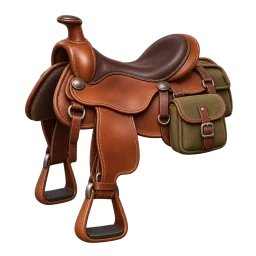
Feedback about attachment points varies: several owners appreciate the rings and strings, while one wanted more tie rings. Count the locations your own bags need, rather than relying on either description as a universal verdict.
If a low-maintenance, hornless saddle appeals but you want to compare another rigging layout, the Big Horn 122 offers a different configuration to inspect.
Pros & Cons Analysis
Pros
- Several riders compare it favorably with heavier leather saddles, including someone who had begun avoiding saddling altogether. This supports a handling trial, not a promise that its listed 21 lb will feel light to every rider.
- A six-hour-plus rider and another returning from a camping trip describe sustained comfort. A different owner finds the seat less yielding than other Circle Y saddles, so the padding still needs a personal trial.
- Owners value choosing a position that works for their individual horses, including a rider whose previous rigging rubbed near the legs. Their successes do not prescribe a rigging position for an entire breed.
- Owners explicitly praise cleaning and low upkeep. That is useful for frequent trail use, while remaining separate from the leather, hardware and strap inspections the saddle still needs.
Cons
- After only a few rides, an owner found the stirrups slippery and difficult to keep a foot in. Try the actual supplied pair with your riding boots before assuming an accessory change will be unnecessary.
- The complaint identifies thin nylon straps despite praise for the saddle’s balance. Inspect the straps and obtain a suitable replacement specification from the seller if their condition is questionable.
- A walnut buyer describes contrasting strings, ties, fenders and leather rather than the coordinated appearance expected from the photograph. Ask for pictures of the actual unit if finish matching matters to you.
Keep the easier lift; settle the supplied equipment
Your next ride
Start here when easier tacking up is the priority.
The lighter saddle still needs sound straps and suitable stirrups.
Build your Highbank inspection
Use these as reminders during your trial or seller conversation.
- Lift the fully equipped saddle.
- Inspect both nylon straps and the stirrup footbeds.
- Check current-unit colors and bag attachments.
How this changes the recommendation
The Highbank is worth a trial when handling a heavy leather saddle is the main obstacle to riding. Keep it on the shortlist if its seat and hornless format suit you, but make the straps, stirrups and actual finish part of the purchase inspection. A successful fitting account for another wide horse cannot settle your own setup.
Frequently Asked Questions
Is every review on the listing about the Highbank 6916?
One record explicitly names the Cordova 6919. It is excluded from our Highbank performance analysis, although the merchant aggregate still includes all listing ratings.
Does the Highbank have enough attachment points for camping?
Several owners like the rings and strings, while another wanted more. Check the actual saddle against your bag attachment needs; ring count does not establish load capacity.
Technical Specifications
| Model / scope | High Horse Highbank 6916; exclude Cordova 6919 owner record Merchant |
|---|---|
| Intended use | Trail / endurance-style riding Merchant |
| Seat sizes | 13, 14, 15, 16, 17 and 18 in; 13/14 Extra Wide by special order Merchant |
| Seat construction | Double-padded suede in written specification; photographed surface may differ Merchant |
| Cantle height | 4 in Merchant |
| Tree construction | High Horse DURAhide Trail Merchant |
| Tree / bar options | Regular, Wide, Extra Wide Merchant |
| Published gullet width | Not verified in captured exact-model documentation |
| Main materials | Leather upper; Cordura skirts and fenders; fleece lining Merchant |
| Rigging | Adjustable Position Flat Plate with angled rear dee Merchant |
| Skirt length | Approximately 25–26 in Merchant |
| Skirt drop | 10 in Merchant |
| Swell width | 12 in Merchant |
| Horn dimensions / type | None Merchant |
| Published saddle weight | Approximately 21 lb; equipment basis unspecified Merchant |
| Hardware | Brass Merchant |
| Included equipment | Saddle strings and nylon tie straps on both sides Merchant |
| Distance-riding subtype | Western hornless trail / endurance style Merchant |
| Stirrup system / footbed | Trail stirrups; Cordura fenders Merchant |
| Equipment attachment points | Breast collar dees, rings and crupper dee Merchant |
| Bearing-surface length | Not verified in captured exact-model documentation |


ALL CATEGORIES
Find your riding style.
Explore saddle categories for the way you and your horse ride.