

Choose by the transition from work to a longer ride
A roping label does not establish an allowable load, and these owner accounts do not provide a controlled strength comparison. The useful question here is narrower: which working-style saddles have feedback worth investigating when you also spend time on trails?
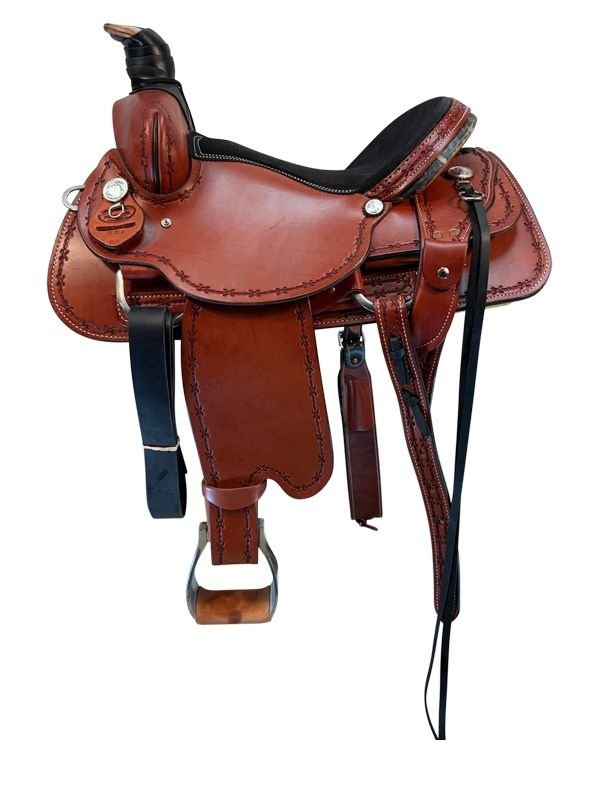
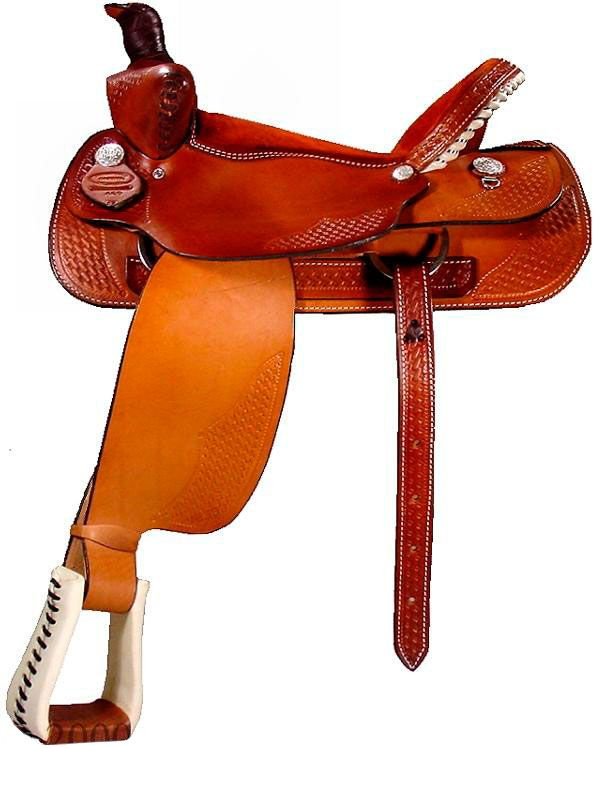
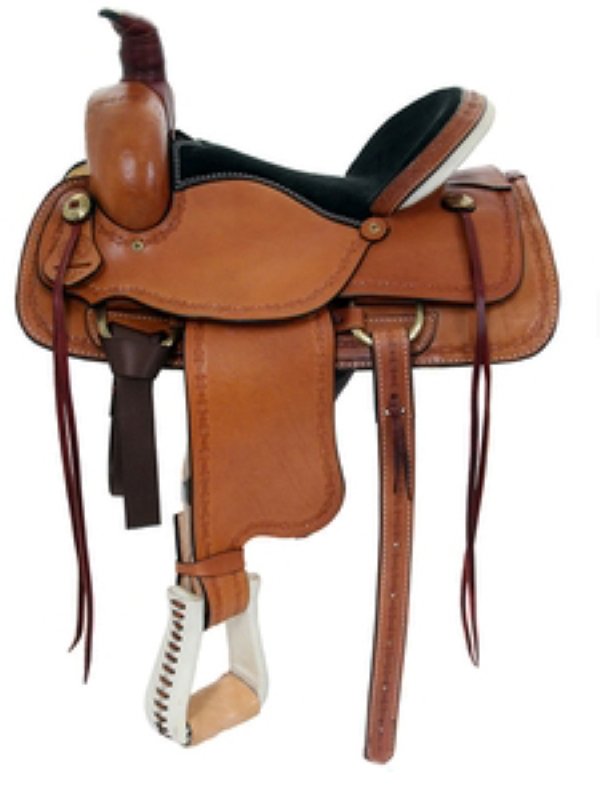
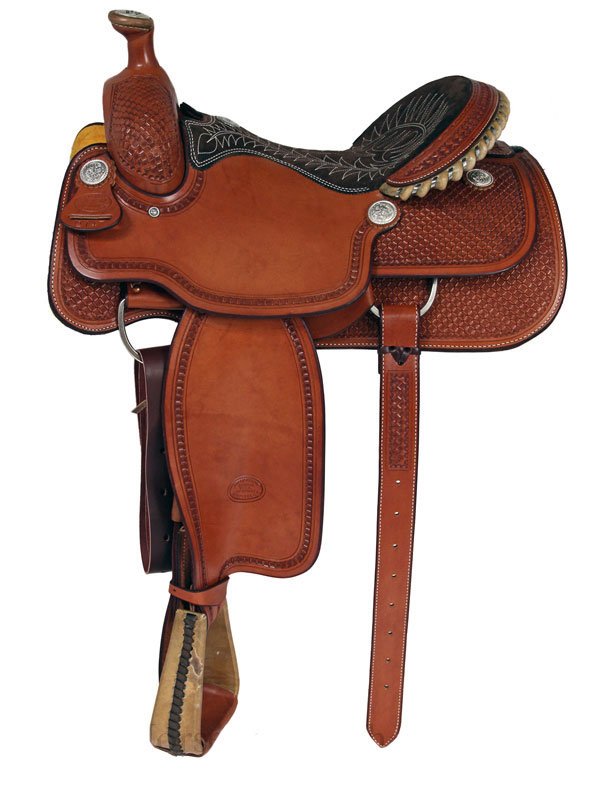
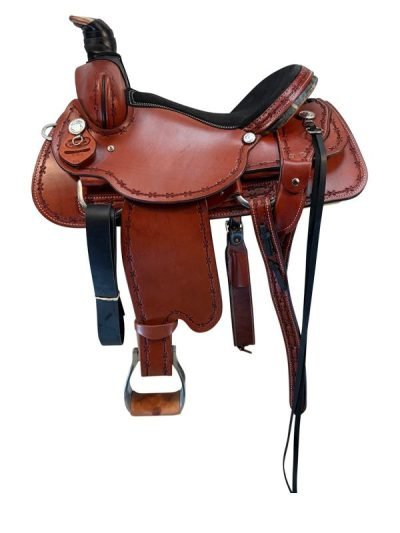
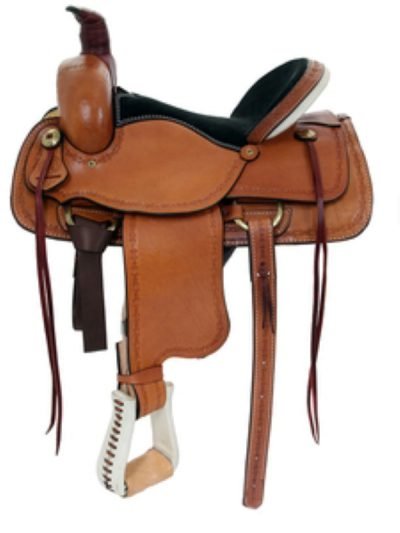
The Dakota 554 has the most direct single-account work-and-whole-day-trail link in this set. The Dakota 420 adds a two-year comfort report, the Hoss High Roper has trekking feedback, and the Billy Cook Arena 2147 has specific first-ride fender comfort. Those are different reasons to arrange a trial, not four claims to be the strongest saddle.
| Your question | Candidate | Useful caution |
|---|---|---|
| Can the same setup suit work and a long trail day? | Dakota 554 | One family’s account; no load certification |
| Will the fenders move as I expect? | Dakota 420 | The standout forward-swing account was customized |
| What care did a trekking/working owner encounter? | American Hoss High Roper 1635 | One owner describes unusually thirsty leather |
| How did the initial stirrup position feel? | Billy Cook Arena 2147 | Pre-twisted fender praise is an individual delivery report |
Easy break-in and heavy conditioning are not interchangeable
The 554 owner describes easy break-in; a 2147 rider credits pre-twisted fenders with comfortable first use. These comments help you inspect the offered saddle, but do not mean every delivery will feel the same.
The Hoss owner who uses it around roping cattle reports substantial leather-conditioning needs. Do not copy the quantity of oil in that anecdote as a treatment instruction. Ask for the maker’s care guidance and inspect the actual leather before purchase.
The shorter listed skirt is not an automatic fit winner
The 420 lists a 26½-inch skirt, and the Hoss lists 27 inches. The 2147 listing changes from 26 inches on 14½/15-inch seats to 28½ inches on 15½/16-inch seats. A 554 length is not established in the captured description. These measurements help identify the offered saddle; they do not define its bearing surface or prove suitability for a short-backed horse.
For a closer look at the two Dakotas, the 554-versus-420 comparison separates seat geometry, fender modifications and package weights. Riders whose priority is sustained ranch work can use the ranch shortlist to investigate a different ownership evidence set.