THE SADDLE FILES / MODEL REVIEW
Dakota Wade 809 review: the ridden fitting matters more than the static check
The Dakota 809 has supportive camping and hard-seat accounts, but one saddle moved forward despite a promising static check. Tooling quality, cantle preference and today’s supplied stirrups also deserve inspection.
In the saddle: at a glance
RIDER PRIORITIES / EQUIPMENT / OWNER EVIDENCE
KEY FEATURES
- Fiberglass-reinforced wood Wade tree
- ¾ Montana Drop Plate rigging
- 27-inch skirts
- Approximately 40 lb
YOUR RIDING PRIORITIES
- Consider it for
- Riders who prefer movement in a traditional slick-seat Wade
- The tradeoff
- Custom wide-tree praise cannot resolve a standard saddle’s movement.
- Before committing
- Assess the actual saddle in use with the intended pad.
PROS
- The slick seat allows the movement some riders want.
- A camping owner reports successful multi-day use.
- Some buyers appreciate the substantial leather and initial condition.
CONS
- A promising static fitting did not stay stable in use.
- Tooling and the skirt-to-cantle junction drew criticism.
- Cantle and supplied tack preferences vary.
Ranch & all-around assessment
Research judgments · 5-point scale · Horse fit is not scored
Mobile slick-seat comfort is qualified by a high-cantle objection.
Custom and changed stirrup packages cannot establish current adjustment performance.
Leather/condition praise contrasts with tooling and junction complaints.
Custom tack accounts and changed current stirrups leave the working-equipment assessment incomplete.
How to read these bars
Research judgments from original owner evidence. Fit, medical outcomes and competition performance are not scored. Historical and custom configurations remain qualified.
1: serious shortcomings; 2: drawbacks outweigh benefits; 3: mixed experience or setup tradeoffs; 4: repeated positives with caveats; 5: strong consistent evidence without a material unresolved limitation. Not rated means evidence is insufficient. These scores are not averaged into an overall star rating.
Read the original owner accountsA static success became a ridden rejection
The most instructive Dakota 809 account starts with a promising check and ends with the saddle moving forward in use. The rider still likes the seat. That split result explains why a comfortable hard seat and favorable static appearance cannot finish the purchase decision.
There are positive fitting histories too, including several multi-day camping trips. Keep both in view: the camping account supports one successful combination, while the movement account preserves a clear reason to assess the actual saddle, horse and pad while ridden.
Custom details are not today’s package
A custom buyer describes a pencil-roll cantle, different trim and no conchos, and had not ridden the saddle when writing. Another custom order used an 8-inch gullet. Those details cannot describe every 809 in the merchant’s standard Full Quarter Horse Bars offer.
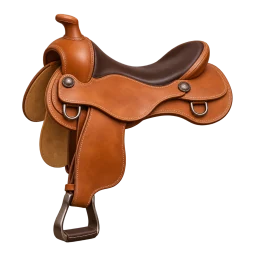
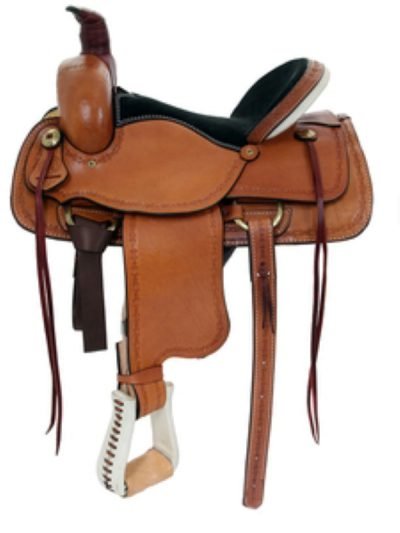
The current listing specifies a 5-inch cantle with a Cheyenne roll, Montana Drop Plate rigging and temporarily supplied aluminum stirrups. It also excludes the rings pictured on the strings. For another Dakota hard-seat layout, the 209AF A-fork changes the listed rigging and weight, but has its own supplied-tack objections.
| Part | Check |
|---|---|
| Stirrups | The temporary aluminum pair rather than the photographed bell style. |
| Cantle and trim | Standard Cheyenne roll or a documented custom order. |
| Strings and rings | Rings are excluded in the current offer. |
| Finish | Inspect tooling and the skirt/cantle junction before acceptance. |
Pros & Cons Analysis
Pros
- One owner appreciates being able to move freely in the hard seat. Another likes the seat even while rejecting aspects of horse fit and finish, showing that rider comfort is only one part of the purchase.
- An account covers four trips lasting four to eight days and a better individual fit than the previous saddle. It is useful sustained-use evidence, without proving a general advantage over that other brand.
- A custom-order buyer gives detailed praise for the leather, and a later owner reports good condition and a quiet saddle. The custom buyer had not yet ridden it, so that account supports inspection quality rather than ridden performance.
Cons
- One rider finds that the saddle moves forward when ridden and concludes the gullet is too large, despite a promising earlier check. The useful lesson is to assess the actual moving combination; the rider’s diagnosis is not a universal sizing rule.
- The same buyer describes uneven tooling and a visible gap at the cantle/skirt area. Inspect photographs and the delivered unit rather than treating positive leather reports as assurance of every finish detail.
- One rider wants a lower cantle, another dislikes bell stirrups on a custom wide saddle, and a custom buyer wants heavier strings and a different off-billet arrangement. The current offer temporarily supplies aluminum stirrups, so identify which equipment is actually being assessed.
Let the ridden 809 fitting settle the purchase
Your next ride
Make the trial a ridden one.
Custom wide-tree praise cannot resolve a standard saddle’s movement.
The 809 acceptance notes
Use these as reminders during your trial or seller conversation.
- Assess the actual saddle in use with the intended pad.
- Inspect tooling and the cantle/skirt finish.
- Confirm current stirrups, trim and excluded rings.
How this changes the recommendation
The Dakota 809 can make sense for a rider who likes a mobile slick seat and a traditional Wade arrangement. Its decisive test is stability on the actual horse in use, followed by an honest inspection of tooling and supplied equipment. A promising static fit is a starting point; the moving result earns the final decision.
Frequently Asked Questions
Is the 8-inch gullet in an owner account standard?
No. That owner describes a custom order. The captured current listing specifies Full Quarter Horse Bars without a verified numeric standard gullet width.
Are the rings on the saddle strings included?
The current merchant notice says they are not. It also warns that aluminum stirrups temporarily replace the standard pair.
Technical Specifications
| Model / scope | Dakota Wade 809 Merchant |
|---|---|
| Intended use | Ranch and trail riding Merchant |
| Seat sizes | 15, 16, 17 in Merchant |
| Seat construction | Smooth leather seat Merchant |
| Cantle height | 5 in with 1-in Cheyenne roll Merchant |
| Tree construction | Wood Wade, fiberglass reinforced Merchant |
| Tree / bar options | Full Quarter Horse Bars; custom 8-in owner order not standard Merchant |
| Published gullet width | Not verified in captured exact-model documentation |
| Main materials | Basketweave leather; description chestnut, selector golden brown Merchant |
| Rigging | ¾ Montana Drop Plate Merchant |
| Skirt length | 27 in Merchant |
| Skirt drop | Not verified in captured exact-model documentation |
| Swell width | Not verified in captured exact-model documentation |
| Horn dimensions / type | 3¾ in wood post; 3½ in cap Merchant |
| Published saddle weight | Approximately 40 lb Merchant |
| Hardware | Silver conchos; 3-in stirrup leathers with leather-covered buckles Merchant |
| Included equipment | Full flank set with connector; temporary aluminum stirrups; string rings excluded Merchant |
| Work subtype | Wade ranch Merchant |
| Manufacturer-stated roping use | Not verified in captured exact-model documentation |
| Horn construction | Wood post; attachment and reinforcement details unverified Merchant |
| Fender adjustment range | Not verified in captured exact-model documentation |


ALL CATEGORIES
Find your riding style.
Explore saddle categories for the way you and your horse ride.