THE SADDLE FILES / MODEL REVIEW
Cashel Trail saddle review: broad-shoulder reports need a closer fit check
The Cashel Trail deserves a fitting trial when other saddles have felt tight around the shoulders. Owners describe successful wide and extra-wide purchases, but reports of rocking and rear lift show why more width is not the whole answer.
In the saddle: at a glance
RIDER PRIORITIES / EQUIPMENT / OWNER EVIDENCE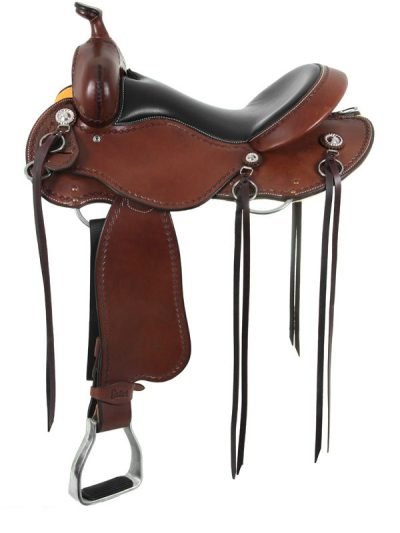
KEY FEATURES
- AXIS tree; merchant lists Quarter Horse, Wide and Extra Wide options
- Double-padded seat and Chocolate Hermann Oak leather
- Rounded skirt with merchant-listed lengths varying by seat size
- 7/8-position in-skirt rigging; historical catalog documents trail tie rings
YOUR RIDING PRIORITIES
- Consider it for
- Trail rider seeking an alternative after shoulder-room problems with previous saddles
- The tradeoff
- Some setups rocked or lifted behind; leather feel, seat room and metal stirrups divide owners
- Before committing
- Confirm the standard Trail model and actual tree option. Assess the complete fit in use; do not copy another owner’s rear-cinch, pad or latigo changes as a remedy.
PROS
- Worth a fitting trial for broad-backed horses.
- Padded seat and freely moving fenders.
- Manageable to carry and saddle up for some riders.
- Useful ties and rings for trail gear.
CONS
- Shoulder room does not prevent rocking or rear lift.
- Automatically sizing up can leave too much room.
- Leather can feel stiff or slippery.
- Metal stirrups can make carrying awkward.
- Leather strap substitutions need a compatibility check.
Trail-saddle assessment
Research judgments · 5-point scale · Horse fit is not scored
Substantive positive ride accounts, qualified by seat-size and twist preferences.
Useful lift reports coexist with weight, carry and equipment-adjustment concerns.
Leather impressions differ across historical configurations; current construction has not been independently assessed.
Attachment points are useful, but stirrups and tie equipment may prompt changes.
How to read these bars
Editorial judgments from attributed owner accounts, not measured riding tests. Horse fit is not scored; historical editions and unspecified variants are included.
1: serious shortcomings; 2: drawbacks outweigh benefits; 3: mixed experience or setup tradeoffs; 4: repeated positives with caveats; 5: strong consistent evidence without a material unresolved limitation. Not rated means evidence is insufficient. These scores are not averaged into an overall star rating.
Read the original owner accountsWhen “wide enough” still is not the right fit
The Cashel’s wide and extra-wide owner accounts are useful because they include both shoulder-room successes and saddles that moved badly despite apparent clearance. The width label alone cannot reconcile those outcomes.
| Reported purchase | Owner observation | Limit of that evidence |
|---|---|---|
| May 2024, Extra Wide | Worked on a half-draft after two earlier saddle attempts | One successful horse-and-saddle combination |
| May 2020, Wide | Worked after several saddles, including a wide Circle Y, felt snug behind the shoulder | A reason to investigate this tree shape, not equate brand width labels |
| March 2016, Wide | Shoulder room improved, but the saddle tipped forward and rocked | Apparent front clearance did not settle stability |
| December 2016 | The rear sat up on three horses tried by the purchaser | A material counterexample to a broad fit recommendation |
Original Cashel owner accounts. The reports identify outcomes; they do not establish a common cause or a fitting remedy.
Padding makes the seat-size advice disagree
The padding is a feature to try, not a reliable arithmetic correction to every rider’s usual seat size.
Why “order a size up” is not a rule
More room worked for some
A December 2018 buyer liked ordering a size larger. An August 2016 owner found a 16-inch seat comfortable but snug and would have preferred a 17.
The usual size worked better
A December 2020 purchaser followed size-up advice, found the 16 too large, and went back to a 15-inch seat—their usual size.
Leather impressions are just as dependent on the purchase. Some owners describe an immediately supple saddle; others report stiff fenders and a slick surface. A March 2018 buyer liked the deep seat but used a cover because the smooth surface felt slippery. Discuss the actual leather version and permitted trial use before assuming that break-in will solve a feel you dislike.
| Offered seat | Merchant-listed skirt length |
|---|---|
| 15 in | 25 in |
| 16 in | 26 in |
| 17 in | 27 in |
These are the merchant’s November 1, 2026 values, not measurements of your individual saddle. Confirm the seat, tree and skirt together.
Count the equipment you will keep, and the equipment you might change
The approximately 24.5-pound published weight attracts riders who want easier handling. Several owners found that useful, but one still wanted a pound or two less for lifting above shoulder height. Another warned that the metal stirrups could bump the shins while carrying. Try the whole lift and carry, with the supplied stirrups secured as the maker recommends.
Items owners changed or bought separately
- Nylon cinch straps, when the owner preferred leather.
- A rear cinch purchased separately.
- Replacement stirrups to suit the rider’s preferences.
Ask for an itemized package before comparing total cost. A December 2016 owner found a replacement leather latigo difficult to route through the rigging. Confirm compatibility with the seller; do not force thicker material through.
The historical Cashel catalog distinguishes standard Trail smoothout and roughout versions from the Trail Blazer. This review concerns the standard Trail family behind merchant SKU chCT. The Walnut Grove review is a useful next read if your main preference is a more enclosing seat rather than solving a shoulder-room problem.
Pros & Cons Analysis
Pros
- Wide and extra-wide configurations have worked where other saddles lacked shoulder room. The tree still needs an individual fit check; width or breed alone cannot establish suitability.
- The cushioned seat and fenders can support a comfortable trail-riding position. Twist preferences differ, so assess rider comfort separately from horse fit.
- The handling has suited riders lifting onto tall horses. It may still feel heavy above shoulder height, so test the complete lift.
- Strings and rear attachment points give you places to secure riding essentials. Check the intended bag arrangement and current equipment instructions.
Cons
- Some setups have tipped forward, rocked or lifted behind despite apparent front clearance. Assess movement during fitting before accepting the saddle.
- Padding and twist change how the seat feels, but riders disagree on whether a larger size helps. Choose by seated fit rather than adding an inch by default.
- Some saddles need more break-in or feel slick, while others arrive supple. Check the offered leather version and follow its maker’s care guidance.
- The heavy pair can strike your shins while carrying, and some riders prefer a different set. Include the stirrups in your handling trial and replacement budget.
- The supplied nylon may not match your preference, and a flank cinch may be separate. Check replacement latigo clearance through the rigging before choosing thicker leather.
The Cashel fitting shortlist
Shoulder room is the starting point
Worth a fitting trial if shoulder room has been difficult to find and you want a padded trail seat. Let the complete fit decide.
Rocking or rear lift needs a fitting assessment before purchase. A different pad or cinch is not an automatic fix.
Make the Cashel earn its place
Use these as reminders during your trial or seller conversation.
- Assess shoulder clearance and movement with the intended setup.
- Try the seat room and leather surface in use.
- Handle the supplied stirrups and price any compatible replacements.
Why fit decides the Cashel choice
The Cashel Trail has useful owner evidence for riders who have struggled to find shoulder room, alongside a padded seat and manageable handling. Buy only after the offered configuration works for both horse and rider in use. If it rocks or lifts behind, stop the purchase decision and seek an assessment rather than copying a customer’s equipment remedy. Once fit is resolved, the remaining choice is whether you like the leather surface, seat room and supplied stirrups enough to keep them—or are willing to price a compatible alternative.
Frequently Asked Questions
Is the Cashel Trail the same as the Trail Blazer or Drover?
No. This review concerns the standard Trail family associated with SA-CT and merchant chCT. Trail Blazer and Drover accounts should not be substituted without matching the exact model.
Does a wide Cashel fit every broad-backed horse?
No. The owner record includes successful wide and extra-wide purchases as well as rocking and rear-lift complaints. Width labels and another horse’s breed cannot replace assessment of the offered saddle in use.
Should I add an inch to my usual Cashel seat size?
The accounts do not support a universal rule. Some purchasers preferred more room, while one returned to a usual 15-inch size after finding a 16 too large. Try the seat and padding together.
Does the standard Trail include a rear cinch?
Several older owners describe buying it separately. Obtain a current itemized offer instead of assuming inclusion from product photographs or a previous buyer’s package.
Technical Specifications
| Model / scope | Standard Trail SA-CT family / merchant chCT; exclude Trail Blazer and Drover Merchant; Manufacturer |
|---|---|
| Intended use | Trail riding Merchant |
| Seat sizes | 15, 16, 17 in Merchant |
| Seat construction | Double padded; confirm smoothout/roughout configuration Merchant; Manufacturer |
| Cantle height | 4 in Merchant |
| Tree construction | AXIS wood/fiberglass construction; exact edition to confirm Merchant; Manufacturer |
| Tree / bar options | Quarter Horse, Wide, Extra Wide in merchant offer; historical catalog lists standard and wide Merchant; Manufacturer |
| Published gullet width | 6.5, 7, 7.5 in per merchant tree options; not a fit chart Merchant |
| Main materials | Chocolate Hermann Oak leather Merchant; Manufacturer |
| Rigging | In-skirt, 7/8 position; verify exact available routing Merchant; Manufacturer |
| Skirt length | 15-inch seat: 25 in; 16-inch seat: 26 in; 17-inch seat: 27 in Merchant |
| Skirt drop | Not specified in inspected product description |
| Swell width | 12.5 in Merchant |
| Horn dimensions / type | 3 in height; 2.25 in cap per merchant Merchant |
| Published saddle weight | Approximately 24.5 lb; consistent with historical manufacturer catalog Merchant; Manufacturer |
| Hardware | Historical catalog describes tie rings in string sets and rear crupper ring; current fittings to confirm Merchant; Manufacturer |
| Included equipment | Current itemized cinch/stirrup package not verified; older owner accounts do not establish today’s inclusion |

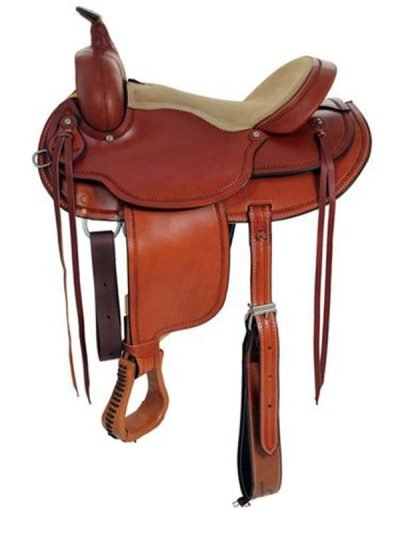
Circle Y Julie Goodnight Teton 1760
a balance-focused seat with a lower-cantle tradeoff


ALL CATEGORIES
Find your riding style.
Explore saddle categories for the way you and your horse ride.