THE SADDLE FILES / MODEL REVIEW
Big Horn 286 review: a lighter broad-tree option with a wider riding feel
The Big Horn 286 combines a broad-tree fitting purpose with a lighter synthetic-panel construction. Owners describe easier lifting and useful longer-term service, but custom width and padding can also change the rider’s leg position and seat room.
In the saddle: at a glance
RIDER PRIORITIES / EQUIPMENT / OWNER EVIDENCE
KEY FEATURES
- Cordura skirts and fenders with leather trim
- Standard listed 7½-inch extra-wide gullet
- 4-inch cantle; 26-inch skirt
- 7/8 on-tree rigging; approximately 22 lb
YOUR RIDING PRIORITIES
- Consider it for
- Trail rider evaluating Big Horn 286
- The tradeoff
- Extra width for the horse and extra padding for the rider can make the same seat feel very different.
- Before committing
- Historical offers and personal riding outcomes require exact-saddle confirmation.
PROS
- The lighter lift has repeated practical support.
- Some broad-horse fitting attempts succeeded.
- There is useful longer-use feedback.
CONS
- A custom wider build can alter rider comfort.
- Fender and accessory preferences may need attention.
- Delivery condition deserves inspection.
Trail-saddle assessment
Research judgments · 5-point scale · Horse fit is not scored
Comfort has longer-use support, with a custom-width qualification.
Several accounts specifically value the easier lift.
Longer use and one damaged delivery cannot rate current production.
Fender position and hardware preferences affect readiness.
How to read these bars
Research judgments from attributed owner accounts; horse fit and medical outcomes are not scored.
1: serious shortcomings; 2: drawbacks outweigh benefits; 3: mixed experience or setup tradeoffs; 4: repeated positives with caveats; 5: strong consistent evidence without a material unresolved limitation. Not rated means evidence is insufficient. These scores are not averaged into an overall star rating.
Read the original owner accountsA broad horse does not automatically mean a roomy rider seat
One buyer ordered a custom wider gullet and double padding. They liked the cushioning but found the resulting riding position wider through the legs than expected. Their seat-size adjustment was personal to that custom order; it is not a rule to add an inch to every 286 purchase.
The standard captured listing gives a 7½-inch gullet, whereas owner accounts mention other measurements. Keep those variants separate. The tree designation, measurement method and actual upholstered seat all belong on the order sheet.
The weight saving has evidence beyond the catalog
Multiple owners specifically appreciate lifting the 286. A rider using it several times weekly for nearly two years reported good service, and a tall buyer described a successful extra-long stirrup order. These are useful ownership examples without proving that every current build has identical materials.
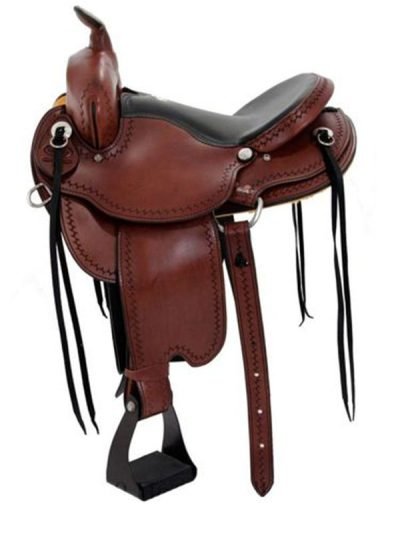
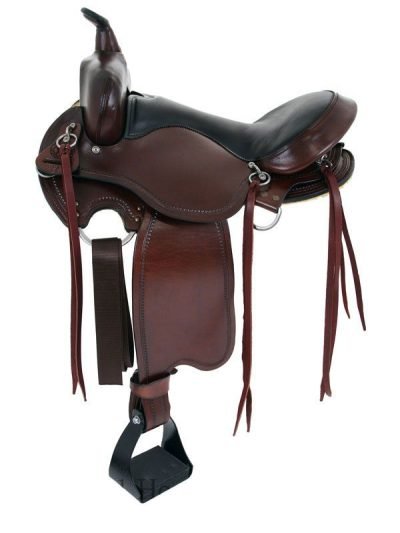
The merchant lists approximately 22 lb, Cordura skirts and fenders, and leather in the pommel, jockey and cantle areas. Compare the leather Big Horn 908 carefully: its shorter listed skirt is a separate advantage from the 286’s lower listed weight.
Small equipment preferences can survive a good fit
A noisy rear ring, a synthetic billet and a preference for a different fender position appear in the owner accounts. One delivery also arrived scratched and dinged. These points are more actionable than general praise: inspect the actual package and ask about compatible changes before accepting it.
Three things to try before keeping the 286
- Lift it with the cinch and equipment you normally carry.
- Sit in the actual padding and tree-width configuration.
- Check fender position, strap material and loose or noisy hardware.
Pros & Cons Analysis
Pros
- Owners describe easier handling compared with heavier previous saddles. That supports the synthetic-panel brief, while the complete equipped weight still needs a personal trial.
- Accounts include a broad Curly and wide-shouldered horses after other saddles failed. Keep the actual tree and pad attached to those stories; they are candidates to investigate, not breed rules.
- One rider reports frequent use over nearly two years with good comfort and condition. That is more informative than an arrival impression, but not a controlled durability test.
Cons
- One short rider liked double padding but disliked the wider feeling through the legs. Trial the complete custom geometry rather than treating horse width and rider seat as independent numbers.
- A set-back fender impression, noisy rear ring and synthetic-billet preference appear in separate accounts. Check the offered hardware and compatibility rather than repeating owner modifications.
- A buyer received scratches and dings on a saddle sold as new. The complaint concerns that delivery; it does not establish the condition of every current offer.
Choose the 286 with horse and rider in view
A broad-tree candidate you can handle
Consider the 286 when you need a broad-tree fitting candidate that is easier to handle.
Extra width for the horse and extra padding for the rider can make the same seat feel very different.
Lift and sit in the actual 286
Use these as reminders during your trial or seller conversation.
- Confirm standard versus custom gullet and padding.
- Check leg spread, fender position and seat room.
- Inspect straps, rings and delivery finish.
The tradeoff behind Big Horn 286
The 286 makes sense when a suitable broad tree and a manageable lift are both necessary. Its ownership record gives that combination substance. Choose the exact padding and width with equal care, because improving horse-side clearance can change the riding feel. Prefer the 908 only if its different skirt and leather construction solve a need worth the additional handling; neither name proves fit.
Frequently Asked Questions
Should everyone order a larger 286 seat because it is padded?
No. A custom-order owner made that choice, but usable room depends on the exact padding, seat shape and rider. Try or confirm the actual upholstery.
Is the 286 an all-leather saddle?
No. The merchant describes Cordura skirts and fenders with leather trim and a leather seat.
Technical Specifications
| Model / scope | Big Horn 286 Merchant |
|---|---|
| Intended use | Western trail Merchant |
| Seat sizes | 15, 16, 17 in Merchant |
| Seat construction | Double-padded; distressed brown or black grainout Merchant |
| Cantle height | 4 in Merchant |
| Tree construction | Steele EquiFit fiberglass-covered wood Merchant |
| Tree / bar options | Extra Wide Haflinger; custom accounts are separate Merchant |
| Published gullet width | 7.5 in standard listing; method unspecified Merchant |
| Main materials | Cordura skirts/fenders/housings; leather pommel, jockey and cantle binding Merchant |
| Rigging | 7/8 on-tree; heavy stainless dees Merchant |
| Skirt length | 26 in Merchant |
| Skirt drop | Not documented in the captured specification |
| Swell width | 13 in Merchant |
| Horn dimensions / type | Not documented in the captured specification |
| Published saddle weight | Approx. 22 lb Merchant |
| Hardware | Stainless rigging dees Merchant |
| Included equipment | Confirm supplied stirrups, straps and accessories |


ALL CATEGORIES
Find your riding style.
Explore saddle categories for the way you and your horse ride.